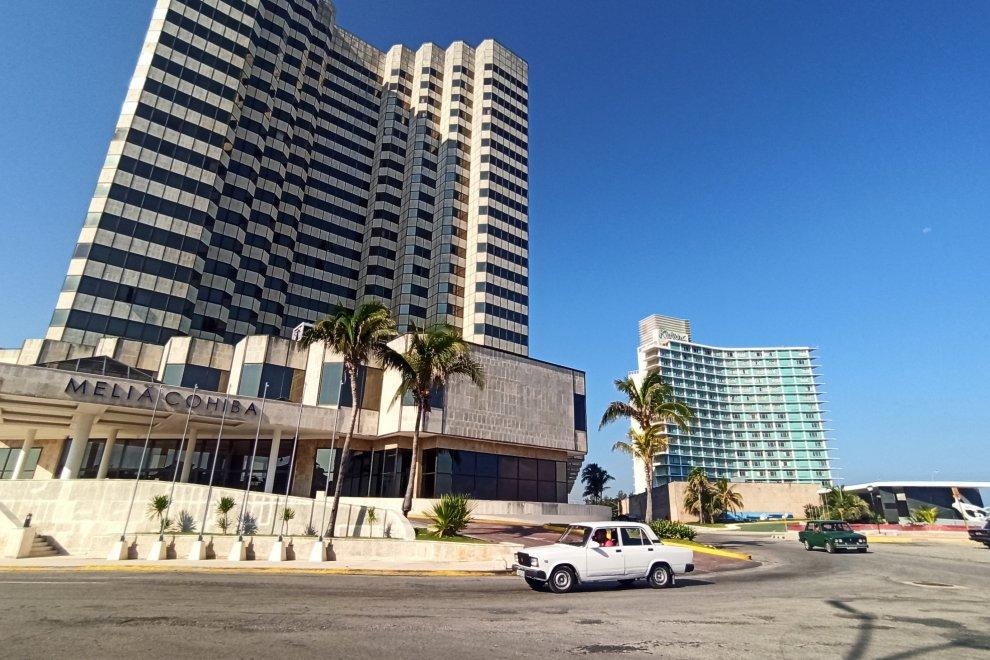
The Trump administration’s pressure campaign is visibly narrowing the Cuban government’s economic and political room for maneuver. The partial withdrawal of major Spanish hotel chains, new sanctions targeting senior regime officials and the energy sector, and growing caution among foreign companies long active on the island all point to an increasingly difficult environment for Havana.
The mounting pressure has also fueled debate over the possibility of a U.S.-led humanitarian intervention. There are no signs of an imminent decision, but some analysts believe Washington may be weighing the option as Cuba’s crisis deepens. As CSG executive director Ricardo Herrero put it to WLRN’s Tim Padgett, a humanitarian intervention raises an obvious contradiction: would it be carried out “with the support of the Cuban government? It’s kind of weird to imagine that that would happen by force.”
At the same time, Cuba’s internal weaknesses continue to deepen. The U.S. dollar reached a new high of 650 Cuban pesos on the informal market, inflation keeps climbing, and persistent shortages of fuel, electricity, and basic goods undermine the state’s ability to function. Social stability in Cuba increasingly depends on resources flowing from abroad through the Cuban diaspora. Shipments of food, medicine, and other essential goods have become an informal safety net cushioning the worst effects of the island’s economic decline.
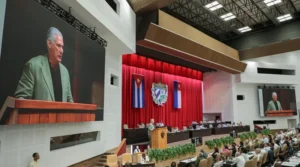
Against this backdrop, the economic measures announced by President Miguel Díaz-Canel convey a long-absent sense of urgency that may, at long last, materialize into action. The Politburo has convened an extraordinary Central Committee plenum today, with an extraordinary session of the National Assembly to follow immediately after. And in a potentially significant move reported by EFE this morning, Díaz-Canel has reportedly convened an unprecedented advisory group of economists—among them Omar Everleny, Juan Triana, and Julio Carranza, several of them long-standing critics operating outside official circles—to explore reforms beyond those already on the table. We should note that Everleny contributes to our bi-weekly economic newsletter.
All this and more is covered in this week’s Cuba Review.